
Vitamins & Supplements to Be Careful With on Your Wellness Journey
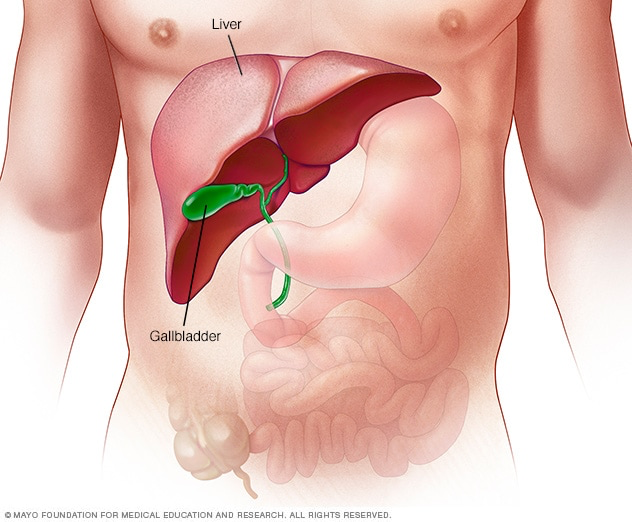
 Supplements can be wonderful tools to support energy, immunity, and overall wellness—but they’re not always risk-free. Some vitamins and supplements can cause side effects, interact with medications, or become harmful when taken in excess.
If you’re building a mindful wellness routine, here are vitamins and supplements that deserve extra caution.
1. Vitamin A – Stored in the Body
Vitamin A supports vision, skin, and immune health. Because it’s fat-soluble, it can accumulate over time.
Too much may cause:
Headaches and nausea
Liver stress
Bone thinning
Pregnancy complications
🌿 Wellness note: Whole foods usually provide enough vitamin A safely.
2. Vitamin D – Powerful but Potent
Vitamin D is essential for bone strength and immune balance, but high doses over time can be harmful.
Excess may lead to:
High calcium levels
Kidney stones
Fatigue and digestive upset
🌿 Wellness note: Blood testing can help personalize your dose.
3. Vitamin E – Not Always Gentle
Vitamin E acts as an antioxidant but may increase bleeding risk at high doses.
Use caution if you:
Take blood-thinning medications
Are preparing for surgery?
4. Vitamin B6 – Nerves Need Balance
Vitamin B6 supports brain and nerve health, but long-term high intake can damage nerves.
Watch for:
Tingling or numbness
Difficulty with balance
5. Iron – Essential, but Only When Needed
Iron supports oxygen delivery, but excess iron can be toxic.
Potential issues:
Constipation and nausea
Liver overload
Iron toxicity (especially in children)
🌿 Wellness note: Only supplement iron after confirming deficiency.
 6. Calcium – Too Much Can Backfire
Calcium supports bone health, but excessive supplementation may raise the risk of:
Kidney stones
Cardiovascular concerns
Digestive discomfort
🌿 Wellness note: Food sources are generally safer than high-dose pills.
7. Magnesium – Gentle but Dose-Sensitive
Magnesium supports relaxation, sleep, and muscle function.
High doses may cause:
Diarrhea
Low blood pressure
Heart rhythm issues (rare, but serious)
🌿 Wellness note: Different forms (citrate, glycinate, oxide) affect tolerance.
8. Zinc – Immune Support with Limits
Zinc helps immunity and wound healing, but excess intake can disrupt balance.
Too much zinc may cause:
Nausea
Copper deficiency
Weakened immunity over time
9. Selenium – Trace Mineral, Narrow Window
Selenium supports thyroid and immune health, but the safe range is narrow.
Signs of excess:
Hair loss
Brittle nails
Garlic-like breath odor
Digestive upset
10. Omega-3 Fatty Acids (Fish Oil)
Omega-3s support heart and brain health, but high doses may:
Increase bleeding risk
Cause digestive discomfort
Interact with blood thinners
🌿 Wellness note: Balance supplements with dietary sources like fatty fish.
11. Herbal Supplements to Use With Care

🌿 Ashwagandha
May affect thyroid levels
Can cause digestive upset or drown
🌿 St. John’s Wort
Interferes with antidepressants
Reduces effectiveness of birth control and other medications
🌿 Ginkgo Biloba
Increases bleeding risk
Not ideal before surgery
🌿 Ginseng
May affect blood sugar and blood pressure
Can cause insomnia
🌿 Turmeric (High-Dose Curcumin)
May increase bleeding risk
Can irritate the stomach in large doses
🌿 Kava
Linked to serious liver damage
Not recommended for long-term use
12. Protein Powders & Amino Acids
Often overlooked as “supplements,” excessive use can:
Strain kidneys in susceptible individuals
Contain hidden additives or heavy metals
Displace whole-food nutrition
🌿 Wellness note: Choose third-party tested products and moderate intake.

Wellness Takeaway
Supplements can support wellness—but they’re not substitutes for food, movement, sleep, and mindful living. More isn’t always better, and personal needs vary.
✨ Smart wellness = informed choices.
✨ Always read labels.
✨ Avoid stacking multiple supplements.
✨ Consult a healthcare professional if unsure.
Be well!
~Minu v