
Introduction
 The eyes are among the most vital and complex sensory organs in the human body, enabling us to perceive the world around us with remarkable clarity and depth. Despite their importance, eye health is often taken for granted until a problem arises. Maintaining good vision requires understanding how the eyes function, recognizing the signs of common disorders, and adopting habits that protect ocular health throughout life.
How the Eye Works
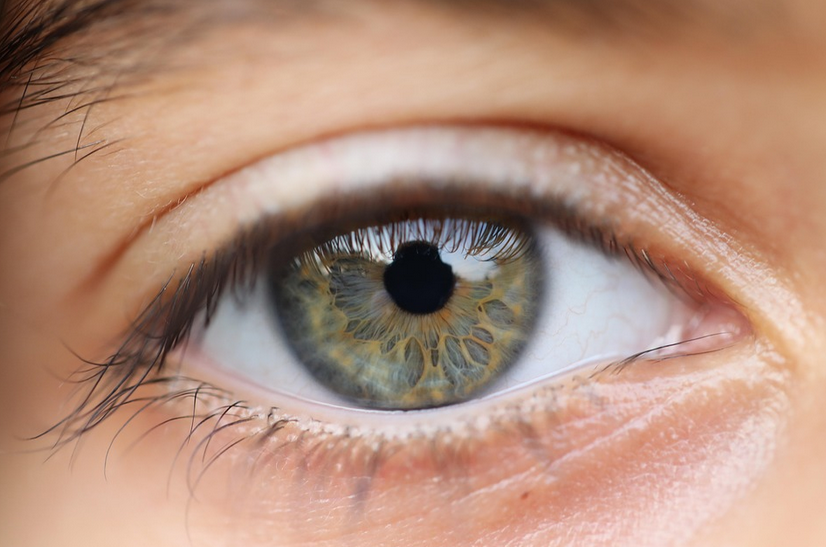
The human eye functions much like a camera. Light enters through the cornea, passes through the pupil (regulated by the iris), and is focused by the lens onto the retina — a light-sensitive layer at the back of the eye. The retina converts light into electrical signals that travel via the optic nerve to the brain, where they are interpreted as images. Any disruption to this intricate process can result in visual impairment.
Common Eye Disorders
1. Refractive Errors
The most widespread eye conditions globally, refractive errors occur when the shape of the eye prevents light from focusing correctly on the retina. The main types are:
• Myopia (nearsightedness) – distant objects appear blurry
• Hyperopia (farsightedness) – nearby objects appear blurry
• Astigmatism – blurred vision at all distances due to an irregularly shaped cornea
• Presbyopia – age-related loss of near-focusing ability
These are easily corrected with glasses, contact lenses, or refractive surgery such as LASIK.
2. Cataracts
A cataract is a clouding of the eye’s natural lens, leading to blurry, hazy, or less colorful vision. It is the leading cause of blindness worldwide, primarily affecting older adults. Risk factors include aging, UV exposure, diabetes, smoking, and certain medications. The only effective treatment is surgical removal of the clouded lens, replaced with an artificial intraocular lens — a safe and highly successful procedure.
3. Glaucoma
Often called the “silent thief of sight,” glaucoma is a group of conditions that damage the optic nerve, usually due to elevated intraocular pressure. It typically has no symptoms in its early stages, making regular eye exams critical. If untreated, it leads to irreversible peripheral vision loss and eventually blindness. Treatment includes eye drops, laser therapy, or surgery to reduce eye pressure.
4. Age-Related Macular Degeneration (AMD)
AMD affects the macula — the central part of the retina responsible for sharp, detailed vision. It is the leading cause of vision loss in adults over 50 in developed countries. The “dry” form progresses slowly, while the “wet” form involves abnormal blood vessel growth and can cause rapid vision loss. While there is no cure, anti-VEGF injections, vitamins, and lifestyle changes can slow progression.
5. Diabetic Retinopathy
In people with diabetes, high blood sugar levels damage the tiny blood vessels in the retina, causing them to leak or grow abnormally. This can result in blurred vision, floaters, and ultimately blindness if uncontrolled. It is the leading cause of blindness in working-age adults. Tight blood sugar control, regular eye screenings, and laser treatments are key management strategies.
6. Dry Eye Syndrome
Dry eye occurs when the eyes do not produce enough tears or when tears evaporate too quickly. Symptoms include irritation, burning, redness, and paradoxically, excessive tearing. It is increasingly common due to prolonged screen use, air conditioning, and contact lens wear. Treatment ranges from artificial tears and lifestyle modifications to prescription drops and punctual plugs.
 7. Conjunctivitis (Pink Eye)
An inflammation of the conjunctiva (the clear membrane covering the white of the eye), conjunctivitis can be caused by viruses, bacteria, or allergens. It presents with redness, discharge, and itching. Viral forms resolve on their own, bacterial forms require antibiotic drops, and allergic forms are managed with antihistamines.
As always check with your health care provider, ophthalmologist or optometrist.
~Minu