

 We all hate pain. So it’s understandable that many people seek out any pain remedy they can locate. Today, the remedy of choice for pain is often a narcotic medication prescribed by a physician. As a result, the use of prescription narcotics in the U.S. to relieve pain has become an epidemic.
Prescription narcotics certainly have their place for relief of short-term pain, such as post-surgical discomfort. But they are not a wise solution for the longer term. The problem is, these drugs come with side effects and are habit forming. A person may become addicted to a pain medication and find it difficult to withdraw.
When pain strikes, the thought of procuring a prescription for some narcotic medication may come easily to mind. What may be less well known is that there are a number of natural remedies for pain relief. These remedies are usually readily available, no prescription is needed, and the cost is often minimal. Any side effects are usually few, mild, or totally nonexistent. And they are non-habit forming.
One of the prime causes of pain and disability in the U.S. is musculoskeletal disorders such as back pain. Natural pain relievers for these disorders include physical and chiropractic therapy and massage. Such therapy may loosen over-tightened muscles and help substantially to relieve pain. Acupuncture, a central aspect of Chinese medicine, is another option for musculoskeletal and other kinds of pain. Many people have found acupuncture to be an effective pain reliever.
Certain kinds of food are another natural source of pain relief. As you may know, pain is often the result of inflammation. Examples of inflammatory ailments are osteoarthritis and plantar fasciitis (which occurs in the foot). What you eat may help reduce inflammation, and therefore pain, if you include in your diet foods that have been identified as having anti-inflammatory properties.
Omega-3 Fatty Acids
 One kind of food that can help reduce chronic inflammation and pain is food containing Omega-3 fatty acids, which are found in oily fish, some nuts, and chocolate. Salmon and tuna are among the oily fish species with plenty of Omega-3 fatty acids, and they can be delicious. If you’re not getting enough fish in your diet, a convenient alternative is fish oil.
There are also a number of spices that have anti-inflammatory properties. Below, I’ll mention a few of the most prominent.
Turmeric and Ginger
 One natural pain killer is turmeric, a yellow spice often used in Indian cooking. Traditionally, turmeric was used as a medicine to treat various ailments including infections and colds. The key ingredient in turmeric is curcumin, which has anti-inflammatory properties. Curcumin is also a strong anti-oxidant and research suggests that it may be helpful in combatting several ailments.
There is also evidence that Ginger, a relative of turmeric, is a natural pain killer with anti-inflammatory properties. This spice, too, was used traditionally as a medicine for infections and headaches. It is widely available in grocery stores as a fresh root or in powdered form.
Cinnamon
Cinnamon is a common spice often used in baking. It has been used medicinally in various countries for centuries. Research suggests that cinnamon is anti-inflammatory and has other health benefits.
Garlic
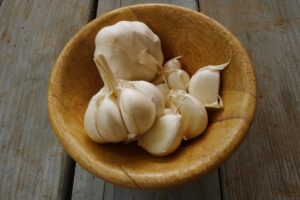 Garlic is another tasty spice and natural pain killer with anti-inflammatory action and can be a great accompaniment for many delicious meals. In particular, evidence exists that the anti-inflammatory properties of garlic can ease arthritis symptoms.
Peppers
 Chili peppers, including cayenne pepper, have been providing health benefits in some parts of the world for centuries, being used as natural pain killers. The healthful ingredient in chili peppers consist of capsaicinoids, which are chemical compounds with anti-inflammatory pro
perties.
 For some, cayenne and other chili peppers are just too hot for their taste. The good news is that the milder common black pepper also has anti-inflammatory properties. Plus, black pepper is a nutrient-rich anti-oxidant and anti-microbial spice. Research suggests that piperine, an ingredient in black pepper, may be the compound responsible for the anti-inflammatory properties of black pepper, making it act as a natural pain killer.
Of course, as with everything, be sure not to overdo your ingestion of any of these natural pain killers. Discuss with your physician the health benefits and any possible unwanted side effects of these natural spices and foods. Seek his or her advice on types and quantities of natural pain relievers that are right for you.
And bon appetit!
Until next time, please be well,
Minu