
Nuts and Seeds
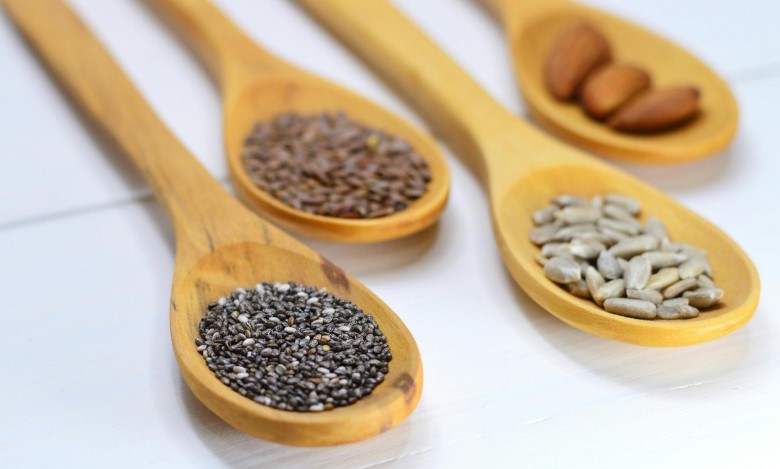
Are nature’s concentrated sources of nutrition, offering numerous health benefits in small servings. Packed with heart-healthy fats, plant protein, and fiber, they lower bad cholesterol, stabilize blood sugar, and promote satiety. Rich in essential vitamins and minerals like vitamin E, magnesium, zinc, calcium, iron, and selenium, they support immune function, bone strength, skin health, and energy metabolism. Omega-3 fatty acids in nuts like walnuts, flaxseeds, and chia seeds reduce inflammation, support brain function, and protect cardiovascular health. Antioxidants neutralize free radicals, lowering the risk of chronic diseases. Regular consumption improves gut health, hormonal balance, cognitive function, and longevity. Versatile, portable, and delicious, a small handful of mixed nuts and seeds can significantly enhance long-term health and well-being.
NUTS
Almonds
The powerhouse of nutrients, rich in vitamin E, magnesium, and fiber. They play a crucial role in maintaining heart health, regulating blood sugar levels, and supporting the strength of skin and bones.
Walnuts
Are high in omega-3 fatty acid content. These fatty acids are instrumental in promoting brain health, reducing inflammation, and lowering the risk of heart disease.
Cashews
Are a nutritional gem, packed with copper and magnesium. These minerals are essential for supporting immune function, maintaining bone health, and providing energy. Notably, cashews are lower in fat compared to most other nuts.
Pistachios
Are a protein-rich snack, boasting antioxidants like lutein and zeaxanthin. These antioxidants are particularly beneficial for eye health. Additionally, pistachios support gut health due to their prebiotic fiber content.
Brazil Nuts
The ultimate dietary source of selenium, a powerful antioxidant mineral. Selenium plays a vital role in supporting thyroid function and may even help reduce the risk of certain types of cancer. Just a handful of Brazil nuts a day can meet your daily selenium requirement.
Pecans
Are a healthy monounsaturated fats. These fats contribute to lowering LDL (“bad”) cholesterol levels and promoting cardiovascular health.
Macadamia Nuts
Are a high fat content, and are a good source of heart-healthy monounsaturated fat. This type of fat helps improve cholesterol levels and reduce inflammation.
Hazelnuts
Are packed with folate, vitamin E, and manganese. These nutrients are particularly beneficial for brain health and reducing oxidative stress.
Peanuts
Are a great source of protein, niacin, and resveratrol. These nutrients support heart health and make peanuts one of the most affordable and nutrient-dense snacks available.
Pine Nuts
It contain pinolenic acid, which may help suppress appetite. They are also a good source of vitamin K and manganese, both of which contribute to bone health and energy levels.
Most nuts share several common health benefits:
-
- They promote heart health through the consumption of healthy fats and plant sterols.
- They help regulate blood sugar levels due to their fiber and protein content.
- They support weight management, even though they are calorie-dense, as they promote satiety.
- They reduce inflammation thanks to their antioxidant properties.
- They contribute to longevity, as regular nut consumption has been consistently linked to a lower risk of mortality in large studies.
- The most commonly recommended serving size for most nuts is a small handful, which is approximately 28 grams or 1 ounce.
SEEDS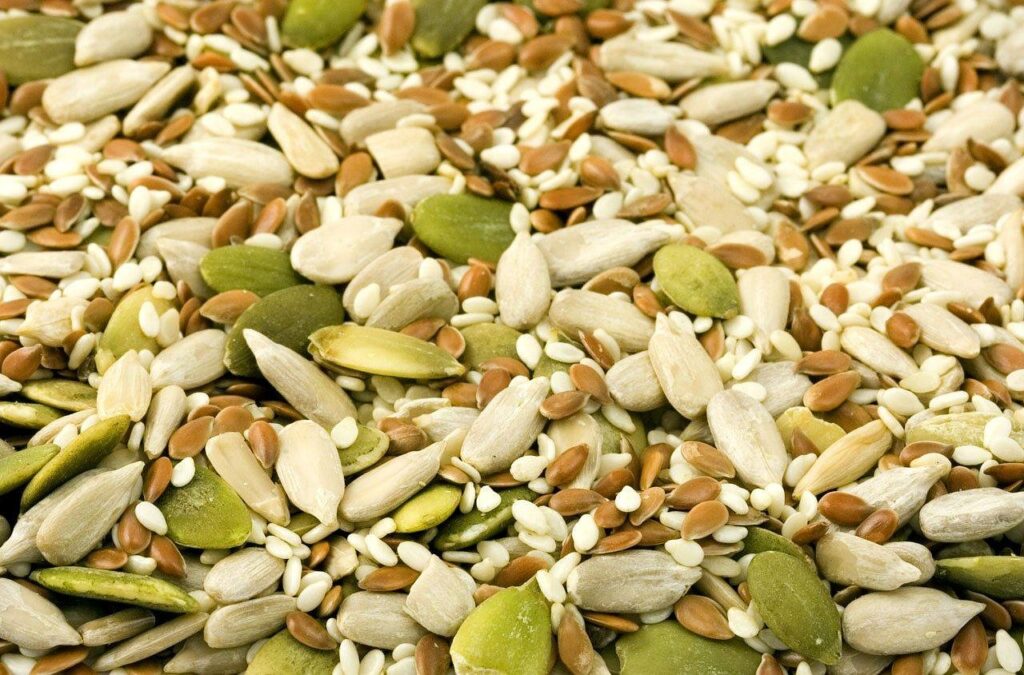
Chia Seeds
Are the most nutrient-dense foods. They’re loaded with omega-3 fatty acids, fiber (11g per ounce), calcium, and antioxidants. They absorb up to 10x their weight in water, promoting hydration and satiety. Great for heart health, digestion, and blood sugar control.
Flaxseeds
Are the richest plant source of alpha-linolenic acid (ALA omega-3s) and lignans — powerful antioxidants with hormone-balancing properties. They support heart health, reduce inflammation, aid digestion, and may help lower the risk of certain cancers. Best consumed ground for maximum absorption.
Hemp Seeds
Are a complete protein, containing all 9 essential amino acids — rare for a plant food. They have an ideal omega-3 to omega-6 ratio and are rich in magnesium and iron. Excellent for muscle repair, heart health, and reducing inflammation.
Sesame Seeds
One of the oldest cultivated crops, are rich in calcium, copper, and lignans. They aid in lowering cholesterol, supporting bone health, and possessing anti-inflammatory properties. Tahini, a sesame paste, is an excellent way to incorporate them into your diet.
Pomegranate Seeds
Are packed with punicalagins and punicic acid, unique and powerful antioxidants. They combat inflammation, support heart health, may enhance memory, and have potential anti-cancer properties.
Psyllium Seeds
Are primarily recognized for their soluble fiber husk. They are exceptional for digestive health, help lower LDL cholesterol, regulate blood sugar levels, and alleviate both constipation and diarrhea.
In Conclusion
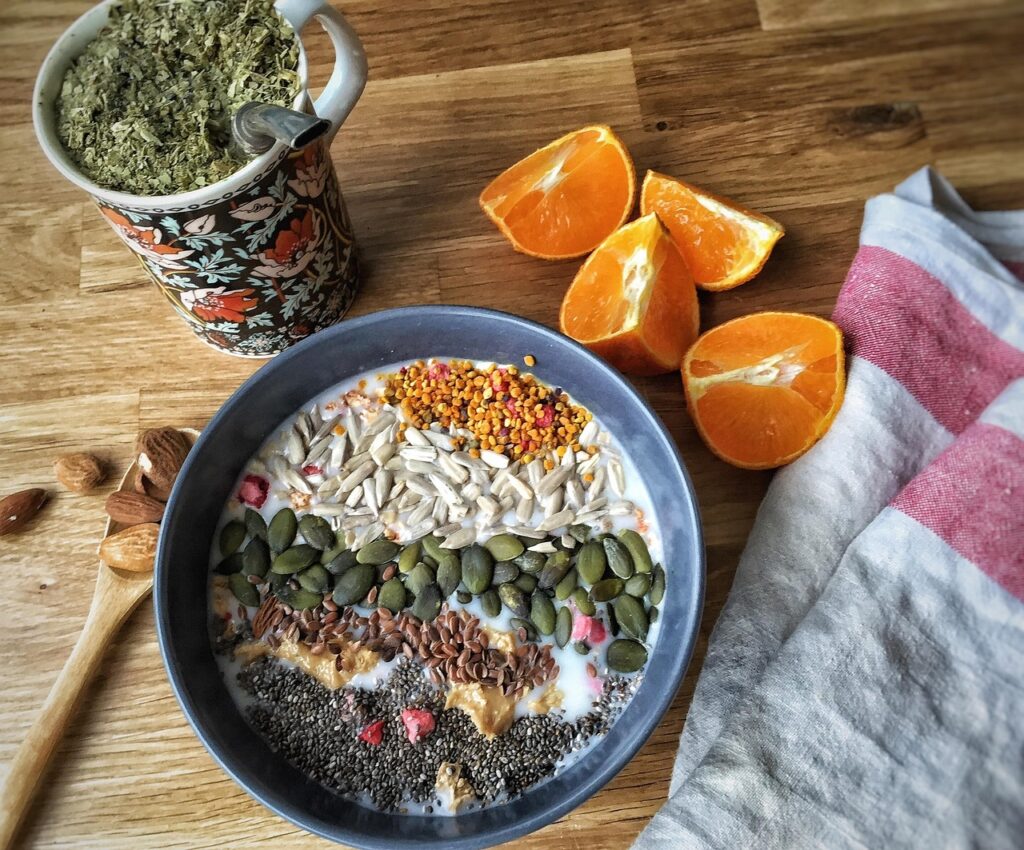
Nuts and seeds are true nutritional powerhouses that deserve a permanent spot in every healthy diet. Despite their small size, they offer an impressive combination of healthy fats, protein, fiber, vitamins, and minerals that benefit almost every system in the body, from the heart and brain to the gut and immune system. Whether you prefer almonds, walnuts, chia seeds, or flaxseeds, each variety provides its own unique set of nutrients and advantages. Easy to incorporate into daily meals and snacks, nuts and seeds offer a convenient, natural, and delicious way to nourish your body and support long-term health and vitality.
THIS IS PURELY FOR EDUCATION
Always check with nutritionist and health care provider before making changes.