
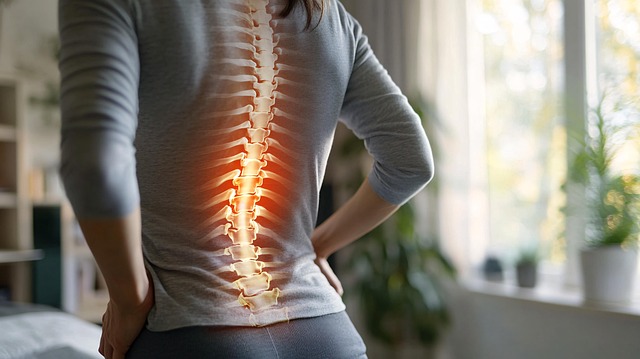
Lower back pain is extremely common and can result from many different conditions. The cause may be temporary, such as a muscle strain, or related to changes in the spine that develop over time. Understanding the possible cause can help determine the appropriate treatment and activities to avoid.
Common Causes of Lower Back Pain

- Muscle or ligament strain: Often caused by lifting, exercise, bending, or an awkward movement. It typically produces aching, soreness, or stiffness and often improves within days to a few weeks.
- Bulging or herniated disc: A disc can bulge or herniate and irritate surrounding tissues or nerves. Pain may become worse with sitting, bending, lifting, coughing, or certain movements. Many people improve with conservative treatment over several weeks to a few months.
- Degenerative disc disease: As we age, spinal discs can lose hydration and height. This may cause chronic aching, stiffness, or intermittent flare-ups. Treatment may include physical therapy, strengthening exercises, posture changes, and pain management.
- Arthritis or facet-joint changes: Wear and tear in the small joints of the spine can cause stiffness and localized lower back pain, particularly with twisting or leaning backward. Symptoms can often be managed without surgery.
- Spinal stenosis: Narrowing around the spinal nerves can occur with aging. It commonly causes back or leg discomfort that is worse with standing or walking and improves when sitting or leaning forward.
- Poor posture and prolonged sitting: Remaining in one position for long periods can place additional stress on the muscles, discs, and joints. Changing positions regularly and maintaining good posture can reduce strain.
- Hip or sacroiliac-joint problems: Problems outside the spine can sometimes cause pain that is felt in the lower back or buttocks. Treating the underlying problem may improve the back pain.
What to Avoid
When experiencing lower back pain, avoid activities that consistently make symptoms worse. These may include:
- Heavy lifting, especially while bending or twisting.
- Repeated forward bending.
- Sudden twisting or rotational movements.
- High-impact exercise until symptoms improve.
- Heavy weight training during an active flare-up.
- Long periods of uninterrupted sitting.
- Aggressive stretching or deep massage over a painful area.
- Continuing an exercise that causes significantly increased pain afterward.
Gentle movement and walking are generally preferable to prolonged bed rest. Activities should be increased gradually, based on how the back responds both during and after exercise.
Imaging for Lower Back Pain
Imaging is not always needed for lower back pain. Most uncomplicated back pain improves with conservative treatment, and imaging is usually considered when symptoms persist, there are concerning symptoms, or the results would change treatment.
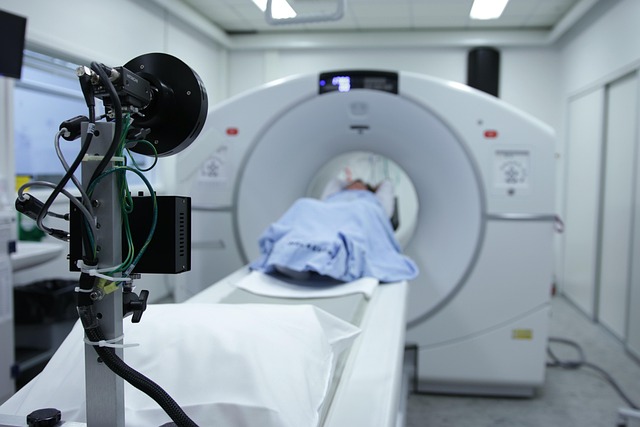
X-ray – Shows the bones and alignment of the spine.
-
- Useful for detecting fractures, significant arthritis, scoliosis, or other bony changes.
- Limitation: It does not show discs, nerves, or most soft-tissue problems well.
MRI – Provides the best detail of the discs, nerves, spinal cord, joints, and surrounding soft tissues
-
- Commonly used when a bulging/herniated disc, nerve compression, spinal stenosis, infection, tumor, or significant degenerative changes are suspected.
- Particularly useful when pain persists despite appropriate treatment or when neurological symptoms are present.
- Important: MRI can show disc degeneration or bulges even in people who have no pain, so the findings need to be interpreted together with symptoms and physical examination.
CT Scan – Provides detailed images of the bones and can be useful when a fracture or other bony abnormality is suspected.
-
- It may also be used when an MRI cannot be performed.
- Limitation: It involves more radiation than an X-ray and is less detailed than MRI for discs and nerves.
When Imaging May Be Appropriate
- Severe or persistent pain that does not improve with conservative treatment.
- New or progressive weakness, numbness, or other neurological symptoms.
- Suspected fracture, infection, cancer, or another serious underlying condition.
- Before certain procedures or surgery, when detailed anatomy is needed.
For most uncomplicated lower back pain, an immediate MRI or CT is usually unnecessary. When imaging is needed to evaluate discs or nerves, MRI is generally the preferred test.
When to Seek Medical Attention
Severe or worsening pain, significant leg weakness, numbness around the groin or inner thighs, loss of bladder or bowel control, fever, unexplained weight loss, or pain following significant trauma should be evaluated promptly by a healthcare professional.
~Minu p
Note: This blog is purely for education. Disclaimer for any medical treatments and advice