


 What Yoga Is
The practice of yoga, with roots in ancient India, has today become a popular mode of exercise that involves taking various physical poses and positions. Yoga is used to increase flexibility and balance, improve breathing, harmonize body and mind, and reduce stress.
Some may think yoga always requires getting into awkward poses that are difficult to maintain, but that’s not true. Advanced forms of yoga may involve special postures, but there are many poses and positions in yoga that can be easily attained by most folks. Yoga can be especially appropriate for those who prefer a low-impact exercise that has proven health benefits.
Physical and Mental Health Benefits
The health benefits of yoga include reducing various kinds of chronic pain, including the pain of arthritis, back problems, and headaches. Yoga lessens such discomfort by improving strength, flexibility, and balance.
A main benefit of yoga exercise is stress reduction. When stress becomes chronic, it is known to have serious repercussions in the body. These include hormonal imbalances, heightened blood sugar, accelerated aging, and other stress-related health problems listed on the WebMD website.
Other physical advantages of yoga include:
- Improved breathing
- Better sleep
- Lower blood pressure
- Improved heart and circulatory health
- Weight control
- Bone health
- More energy and vitality
Mental benefits of yoga practice include not only stress reduction, but improvements in mental clarity, attention, and concentration.
Considering both its physical and mental results, it is evident that yoga practice can contribute to overall well-being and quality of life.
Types of Yoga
Several types of yoga have become popular.
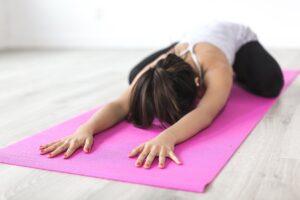 For beginners, Hatha Yoga is a good place to start. This form of yoga combines various postures with breathing methods. Its focus is balance, flexibility, and the incorporation of breathing into the movements and poses. The pace is generally relatively slow rather than fast. Hatha Yoga can be a great source of mental and physical relaxation and restoration.
For those who wish to engage in a more active practice, Vinyasa Yoga may be appropriate. Also sometimes called “power yoga,” this is a more vigorous form of yoga that includes both seated and standing poses. It can be particularly effective for developing flexibility, balance, and strength and may be useful if weight loss is one of your goals.
Hot Yoga is a very popular but somewhat demanding form of yoga. It is performed in a room heated to 105oF (40oC) with a humidity of 40%, which typically results in lot of perspiration. It involves a number of poses over 90 minutes that require considerable effort. The Mayo Clinic offers several cautions about performing Hot Yoga, including advising pregnant women not to undertake this form. They also note that if you engage in Hot Yoga, be sure to stay hydrated.
Kundalini Yoga, which is sometimes called the “yoga of awareness,” may be a good choice for those who desire a more spiritual form of yoga. Kundalini Yoga integrates postures and movements with breathing techniques, meditation, and positive mantras. The objective of Kundalini Yoga is to energize your body, calm your mind, and enhance your consciousness.
Iyengar Yoga focuses on creating proper body alignment. It may be appropriate for those who have neck or back problems. Iyengar Yoga takes a relatively slow pace, moving gradually over time from simple to more complex poses. Props such as blocks and cushions may be used to help you attain and hold poses for proper alignment.
There are also several other forms of yoga. You can read a short description of some of them here.
Is Yoga for You?
The take-away lesson of this blog is that yoga may be well worth considering if your goal is to gain better balance, flexibility, posture, strength, or stress reduction.
But please remember, you should be sure to check with your doctor before undertaking any form of yoga. My blog is for education purposes only. I urge you to always seek out the advice of your physician before beginning any physical exercise regimen.
Until next time, be well!
Minu




Always good to review the benefits of such a great practice. Thanks for the information.